

The CAP Inclusive Astronomy Communication Focus Group (CAP IAC) is working to gather and publish best practices on adopting sonification materials in astronomy communication for the general public. Our goal is to facilitate broader adoption of these practices and encourage further research to address current gaps in the field.
To build a comprehensive base of field experiences for this document, we invite all astronomy communication practitioners to incorporate sonification into their public outreach activities and share the outcomes with the IAU Inclusive Astronomy Communication Focus Group.
If you are planning such an initiative, we would greatly appreciate it if you could share your experience with us to help build this reference document.
Detailed information about this initiative, instructions on how to participate, and a list of useful resources are available at: https://drive.google.com/file/d/11WatlJK32yuPB0eGcYWF7sULC1-VRYZv
All contributors will be formally acknowledged and cited in the final Best Practices document for their submitted experiments. We will also publish a list of contributors, including links to their work where applicable, on the CAP IAC website.
If you have any questions, please contact us at iau.inclusion@gmail.com.
Thank you for your support.

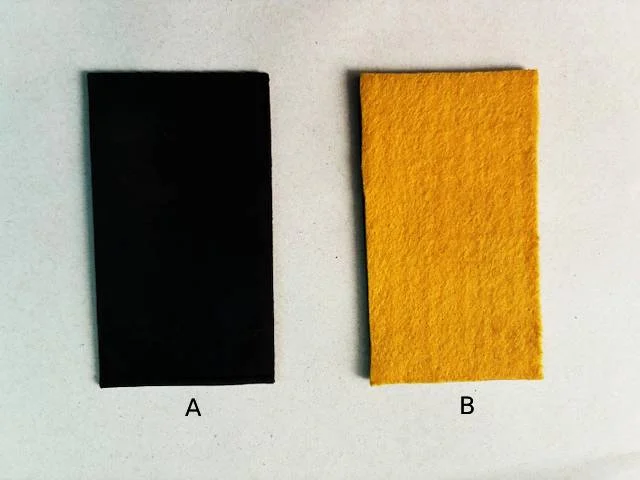
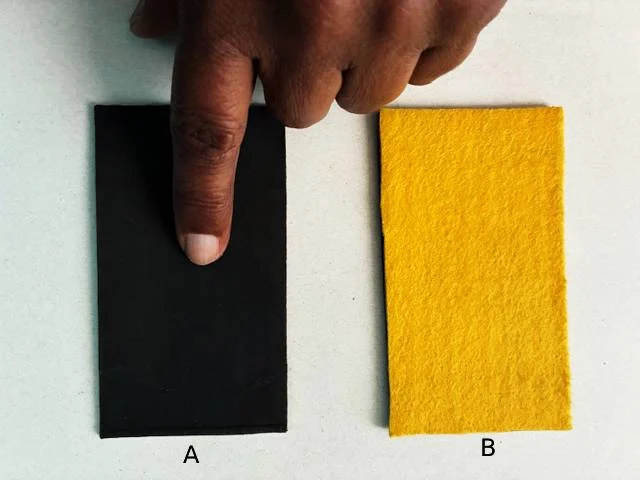
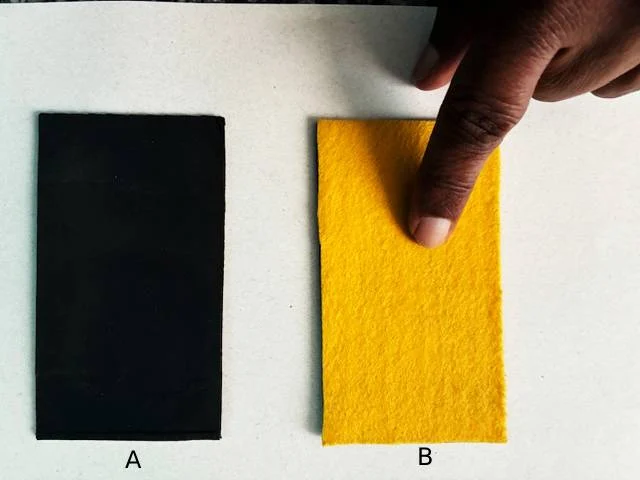
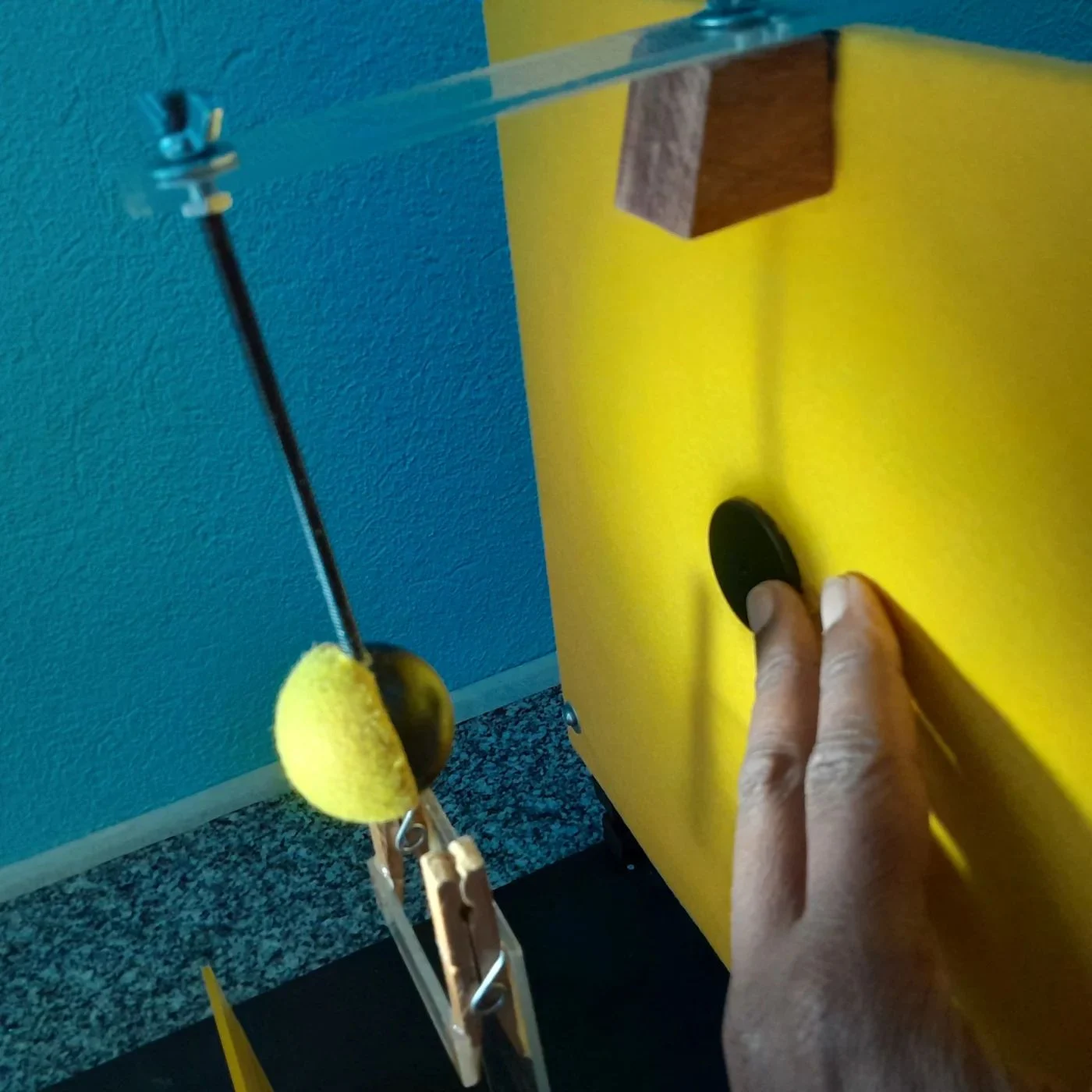
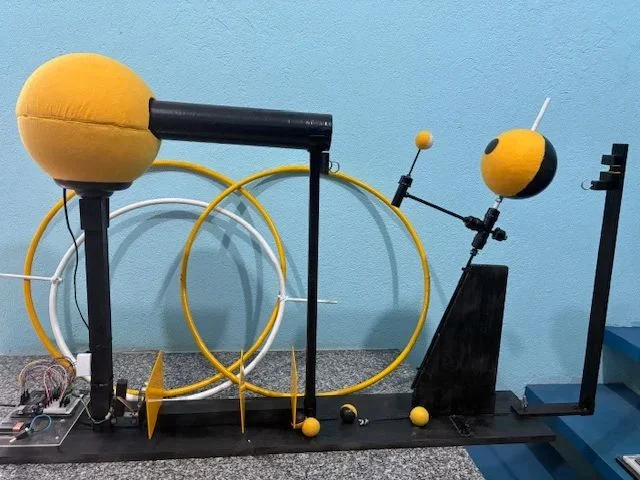
Before addressing the topic of eclipses, it is essential to carry out a sensitization process. To this end, we use the materials presented here—simple items designed to introduce the concepts of light/shadow and energy. This serves as a first step toward our goal, utilizing two rectangular cardboard boards. The first board (A) is black and smooth, representing the absence of light (shadow), while the second board (B) is covered in felt, giving it a rougher texture that represents the presence of light (energy). This is where the Arduino comes into play: when a person touches the smooth, black board (A), the Arduino remains silent—an absence of sound that a blind person can associate with the absence of light (shadow). When they touch the rough, felt-covered board (B), the texture is associated with the presence of light (energy), and the Arduino emits a series of high-intensity "beeps." This allows the blind individual to perceive the distinction between the two surfaces: light and shadow.
Astronomy for blind and low-vision individuals.
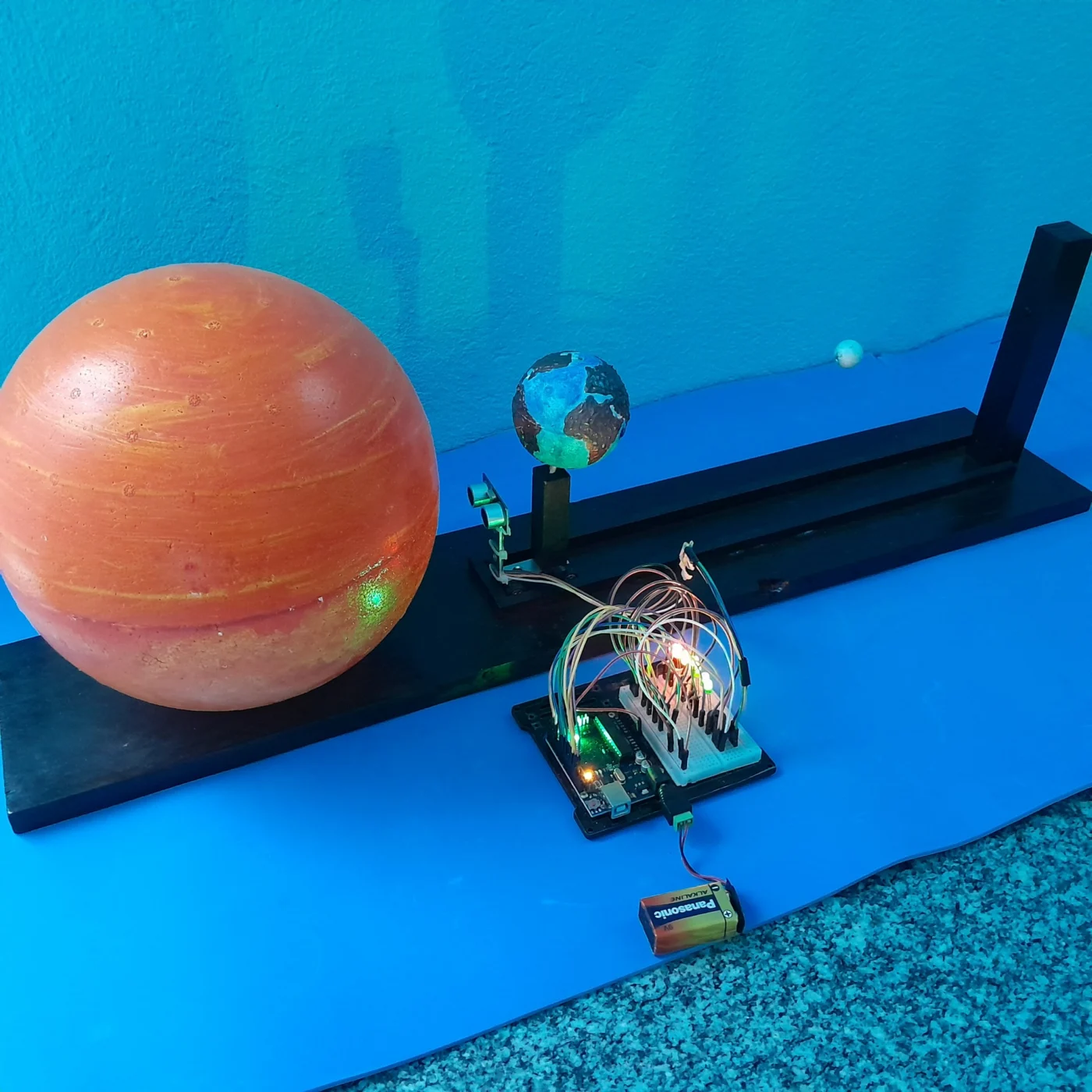
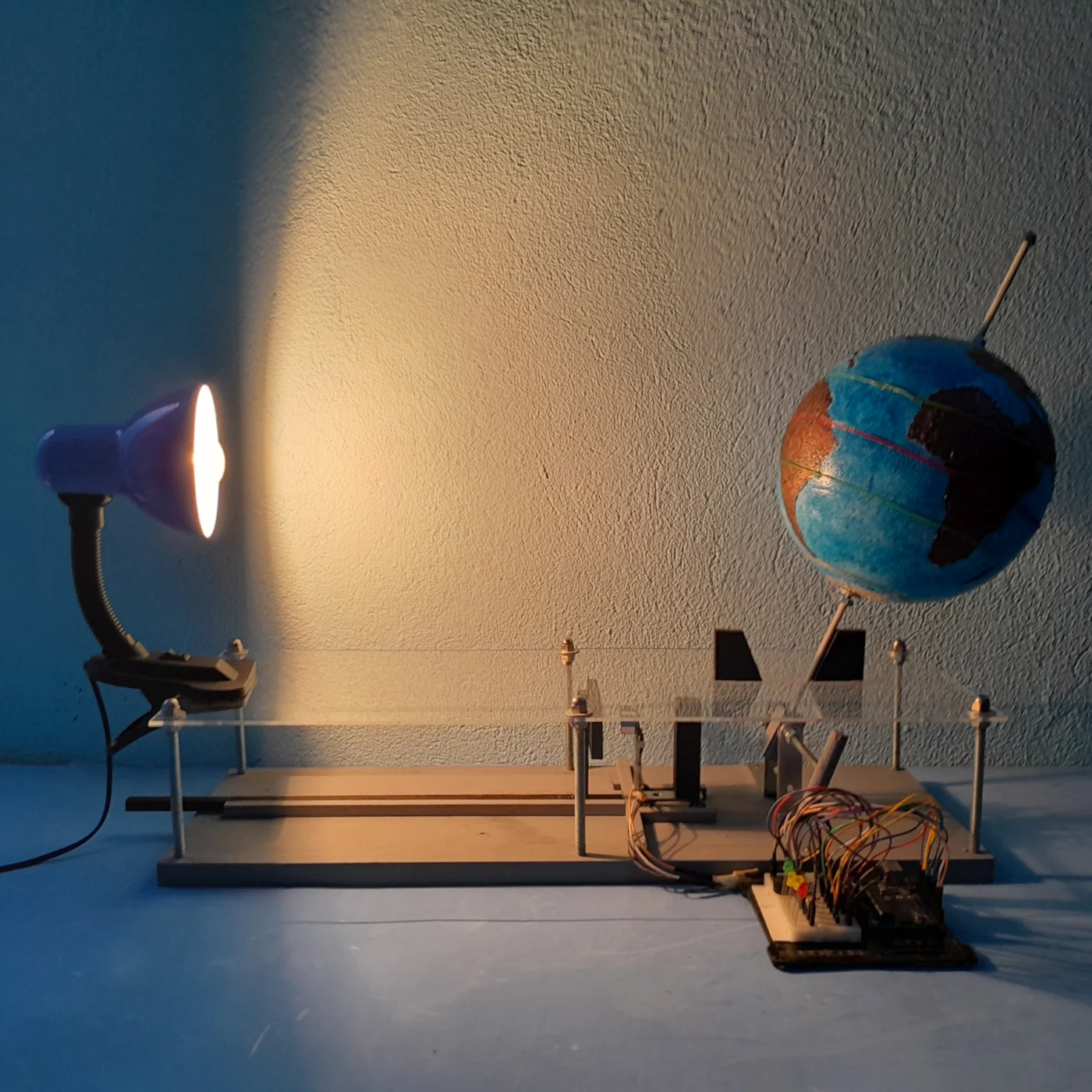
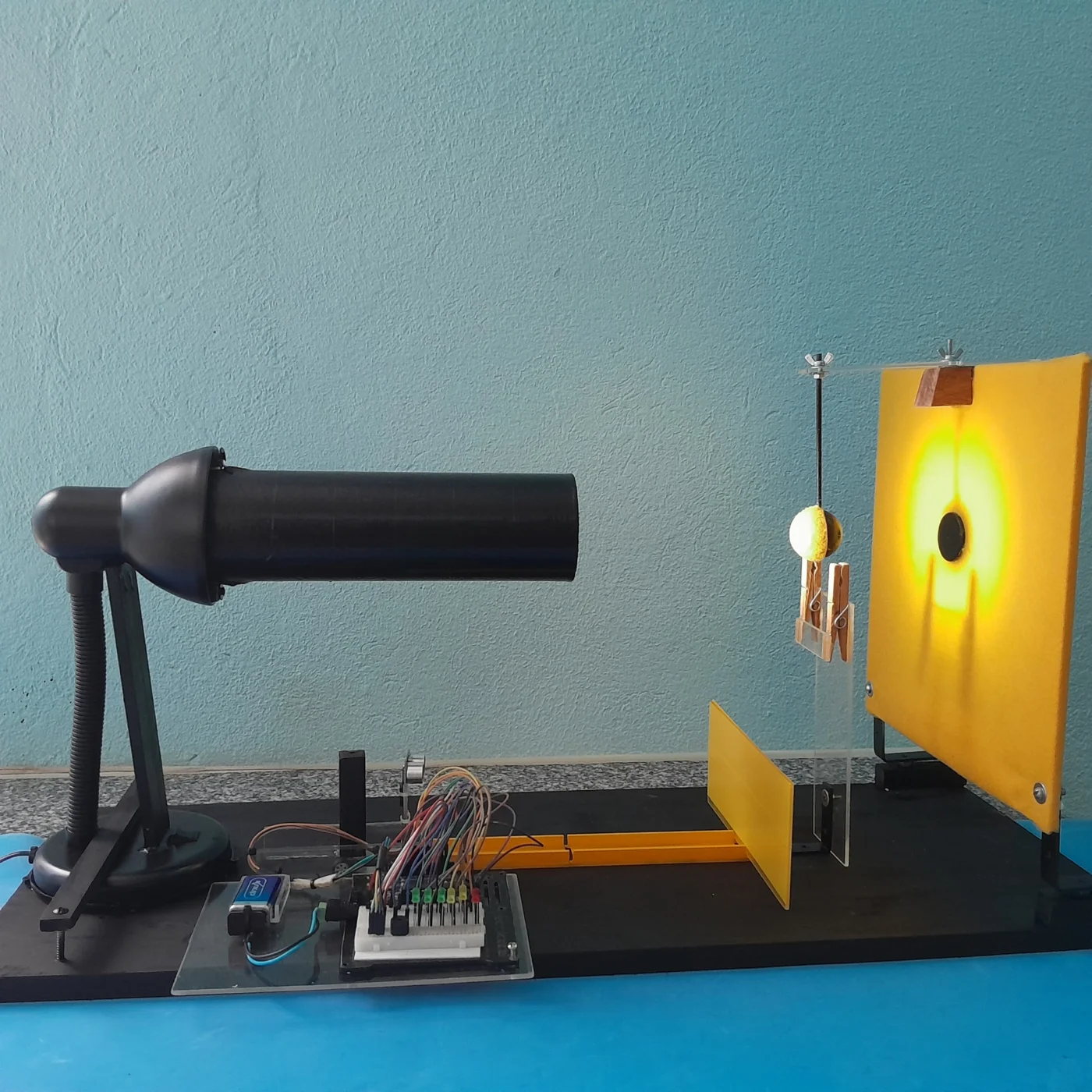
Sun-Earth-Moon system.
Hello! I found my way here, but not completely sure how things are expected to work. However, seemed like a good place to share some of our resources from Audio Universe (www.audiouniverse.org). Our focus is on data sonification for research and communications. We do a lot of work with the sight loss community (children and adults).
- Planetarium Shows which are co-designed with members of the sight-loss community (one is also available on YouTube as flatscreen and in multiple languages, a brand new one was just released about Black Holes): https://www.audiouniverse.org/education-and-communication/educational-shows
- Multi-sensory workshops (made in collaboration with Tactile Universe): https://www.audiouniverse.org/education-and-communication/accessible-workshops
- Brand new for September 2026, is our "Sonification Suite" App. This makes it very easy for you to generate sonifications of astronomical phenomena (e.g., the night sky at any time/location, stellar light curves, constellations, or basically any tabulated datasets)...You can get started with the click of a few buttons. You can use our curated sound design options (much more interesting than simply pitch mapping), which have been tested with extensive research. Or you can create a custom sound design:
https://www.audiouniverse.org/sonification-suite - A heap of documentation covering ideas, examples and good practise guidelines for using sonification for astronomy communication with a range of different audiences.