

Astronomy at touch and sound
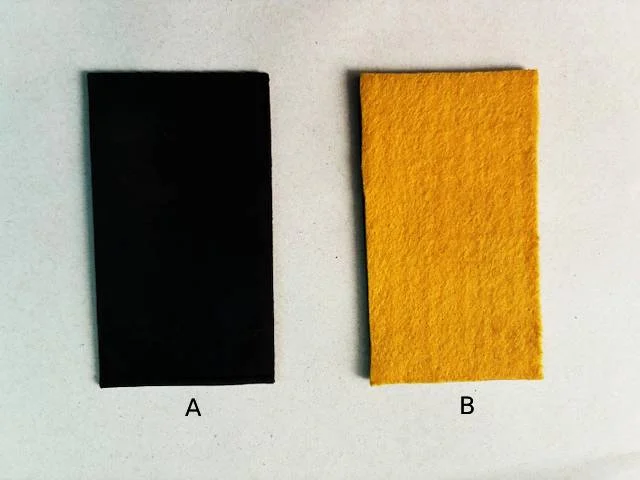
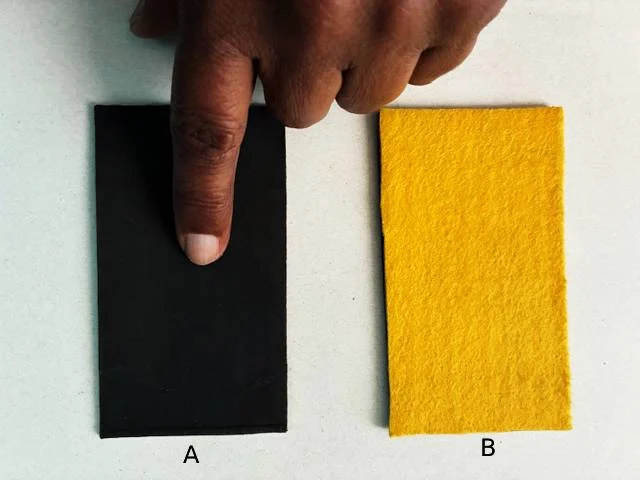
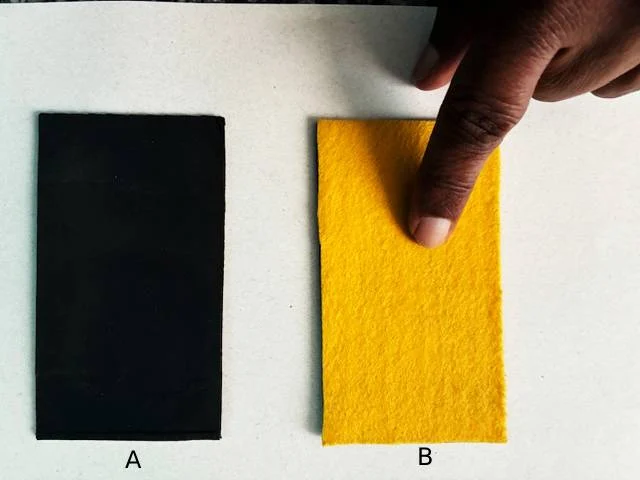
Before addressing the topic of eclipses, it is essential to carry out a sensitization process. To this end, we use the materials presented here—simple items designed to introduce the concepts of light/shadow and energy. This serves as a first step toward our goal, utilizing two rectangular cardboard boards. The first board (A) is black and smooth, representing the absence of light (shadow), while the second board (B) is covered in felt, giving it a rougher texture that represents the presence of light (energy). This is where the Arduino comes into play: when a person touches the smooth, black board (A), the Arduino remains silent—an absence of sound that a blind person can associate with the absence of light (shadow). When they touch the rough, felt-covered board (B), the texture is associated with the presence of light (energy), and the Arduino emits a series of high-intensity "beeps." This allows the blind individual to perceive the distinction between the two surfaces: light and shadow.