

Astronomy at touch and sound
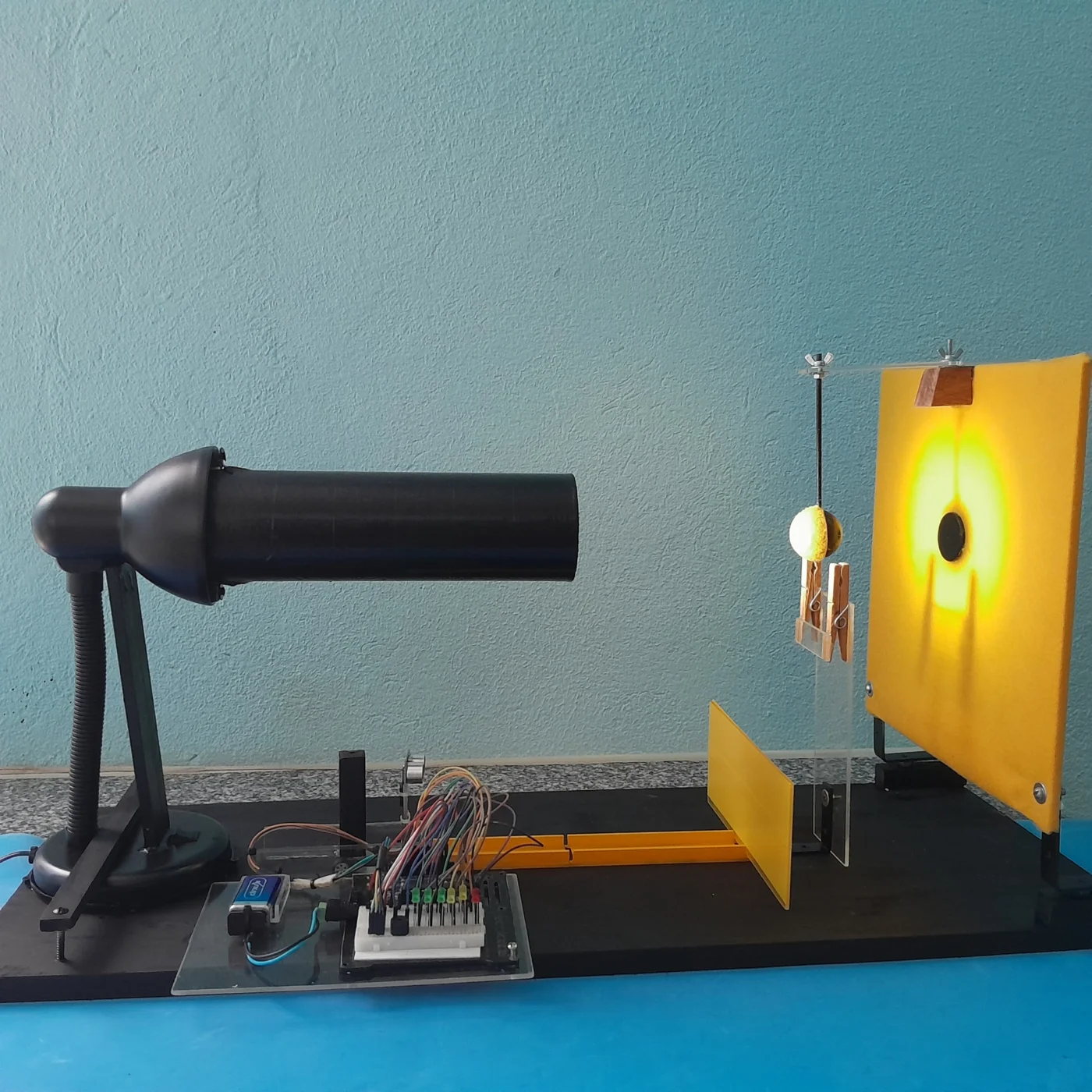
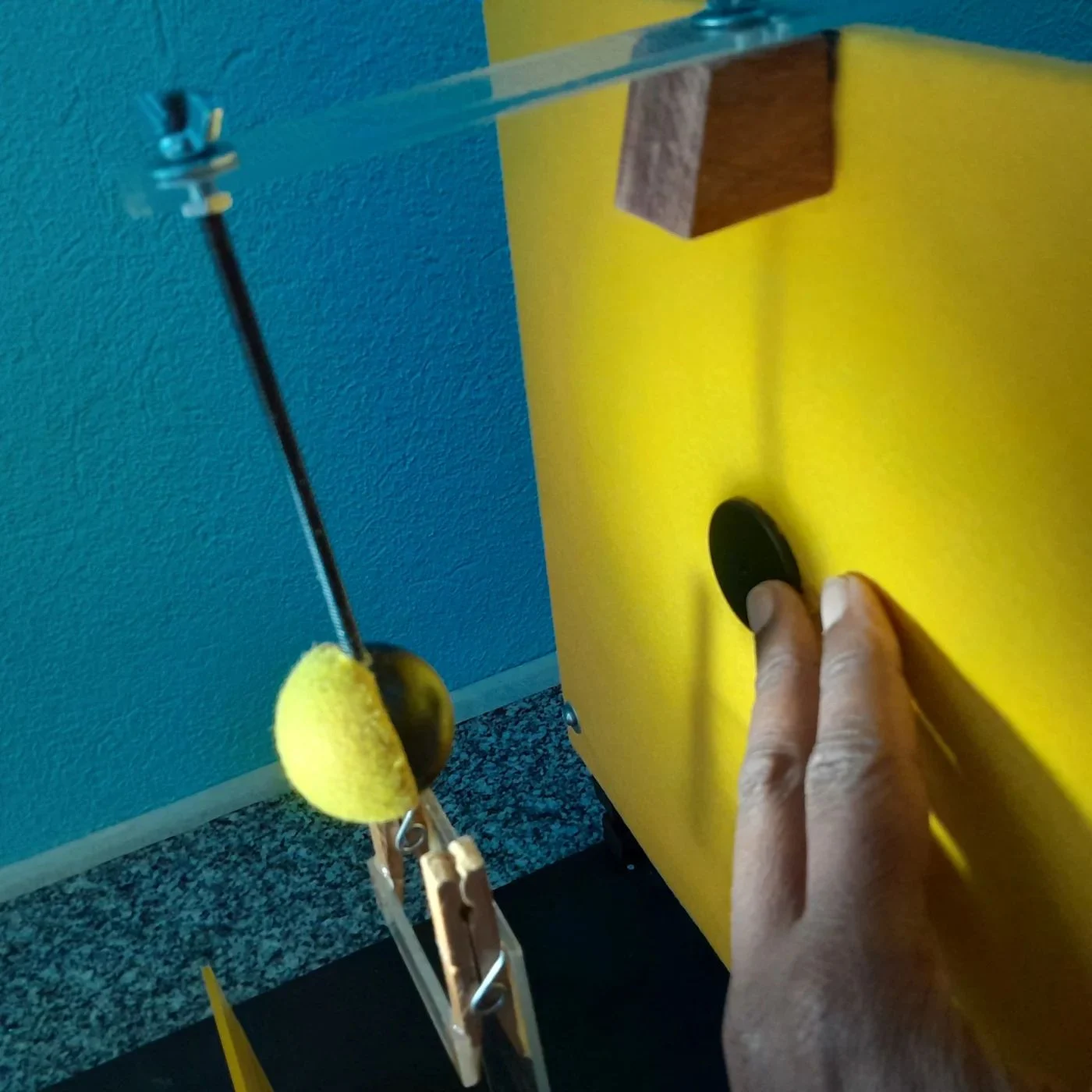
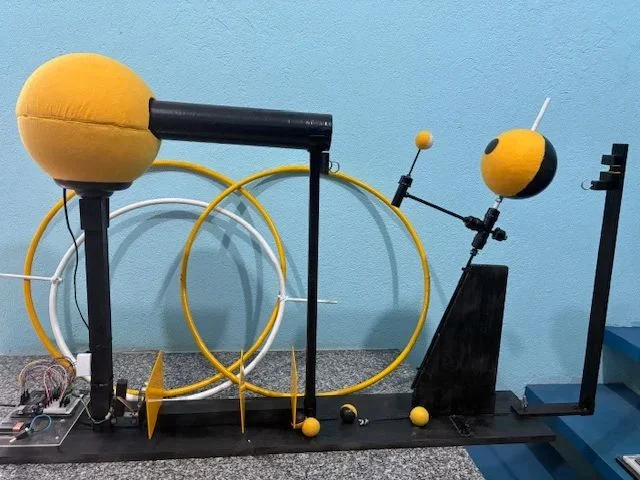

Hayrton Avelino Monteiro Thank you for posting these. I have put the images into one post and moved it to sonification. Can you tell us more about it?

Hello Mr. Mike Simmons, let us continue by explaining how the project was built. For this work, an Arduino UNO board was used; the commands were programmed onto the board (see photo). Only one board was used for the entire project, with a single set of commands covering all the topics—meaning one Arduino board and one program were sufficient to execute the functions, provide explanations, and interact with the materials. I also customized the sounds for each specific topic being studied. Another component used was an ultrasonic sensor (see photo), which is capable of detecting movement, even at significant distances. We also incorporated jumper wires and LED lights—green, yellow, and red. You might ask: why use lights if the intended users are blind? That is precisely the point: the sound serves those who are blind, while the combination of sound and light serves those with low vision. In my next email, I will explain how everything works, using the topic of "Sunstroke" as an example.
Hello Mr. Mike Simmons! I am currently working on creating clips from the video that demonstrates how to handle the products; I will post them soon in the sonification section. Before that, I will share how I conducted awareness-building activities with visually impaired individuals regarding solar energy intensity, as well as light and shadow—concepts that serve as a foundation for the topic of eclipses.
Greetings to the entire team!
Hayrton