Bright Futures

Program Description

Overview

Bright Futures is a worldwide program using of astronomy to introduce STEM, inspire youth in unserved communities, and encourage students to consider STEM careers.

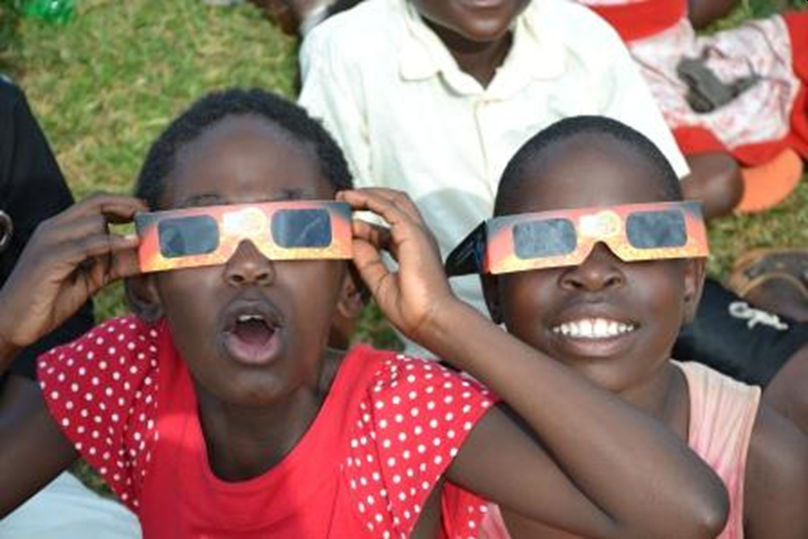
Astronomy For Equity (A4E) has gathered more than one million new, unused eclipse glasses to be shipped and distributed to unserved and marginalized communities for ongoing education and outreach programs.

These school and outreach solar astronomy programs will be ongoing and will use these eclipse glasses to serve students for years to come. They are not dependent on having an eclipse where the glasses are used once and discarded or set aside.
Program Mission

Our Mission

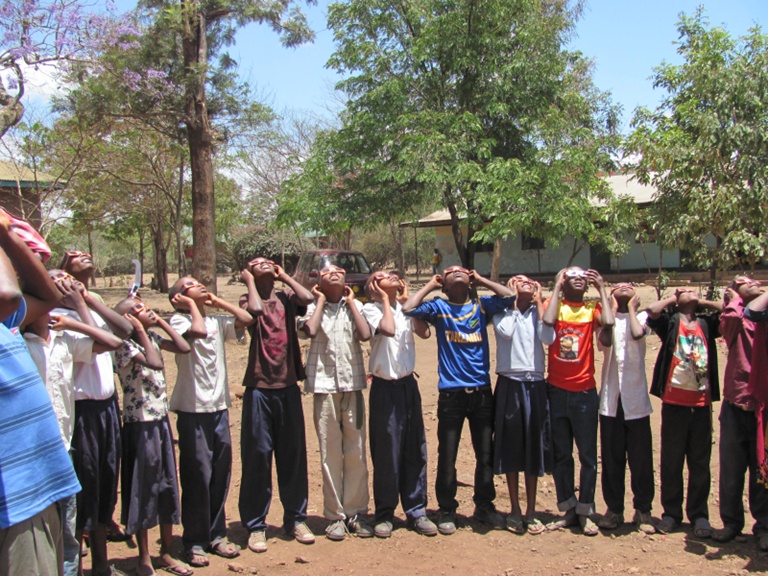
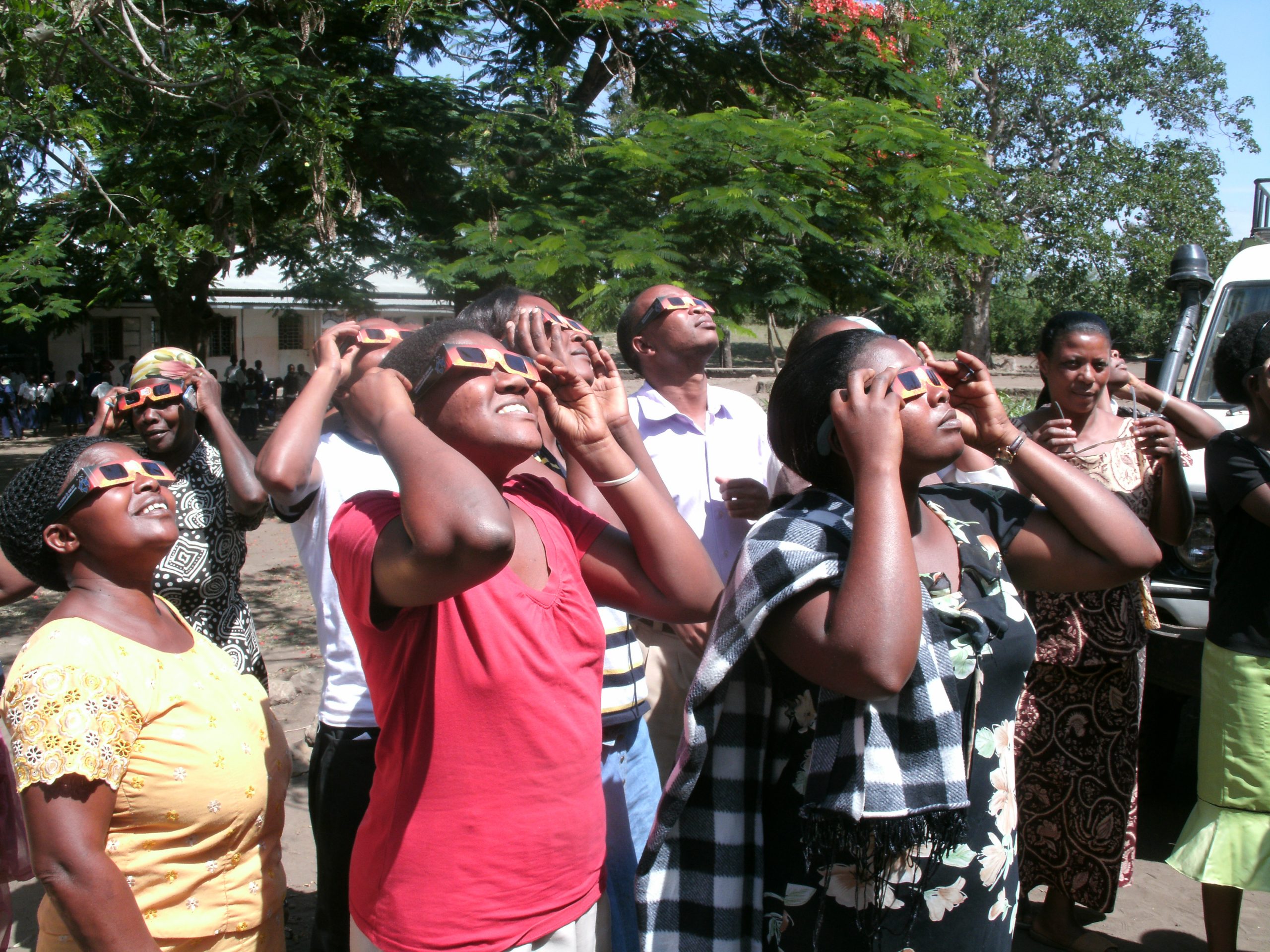
Even where there are no science facilities in schools, the sky is accessible to everyone. Bright Futures partners with organizations worldwide that use astronomy to introduce STEM education to the schools in marginalized and isolated communities. Starting with a first look at our Sun through solar eclipse glasses, students will progress to studying the components of sunlight and its connection with every science field. Partner organizations distribute the resources to schools and astronomy outreach organizations throughout their countries and provide continuing support.

Current Activities

Ongoing Initiatives

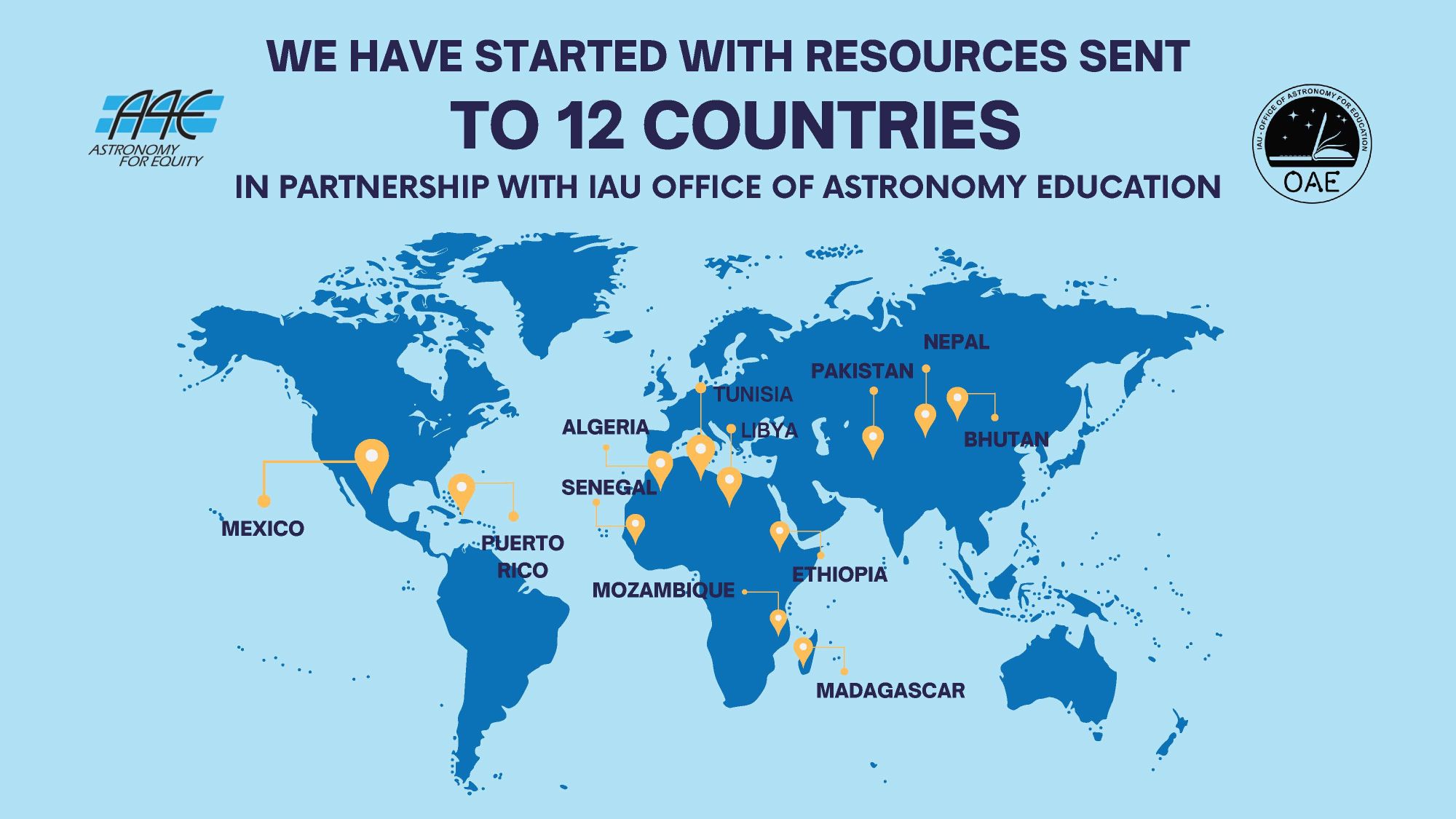
  • First 12 countries: Organizations in Algeria, Bhutan, Ethiopia, Libya, Mexico, Madagascar Mozambique, Nepal, Pakistan, Puerto Rico (US), Senegal, and Tunisia have received the first shipments.
  • Curriculum: The first set of lessons about the Sun, what it is and how it relates to Earth have been provided.

Future Plans

Upcoming Initiatives

  • Expand to Dozens of Countries: With existing glasses supplies and more available, Bright Futures can reach schools around the world
  • Millions of Students: Sharing one pair of glasses between three students we can provide STEM opportunities to more than three million unserved students.
  • Teacher Training: Teachers without science training will learn alongside their students with lessons meant for those without science backgrounds.
  • Examining the Solar Spectrum: With low cost transmission diffraction gratings, students can study the components of sunlight and how different wavelengths interact with plants and more.
  • More Resources: With sufficient funding, Bright Futures can provide solar filters for existing telescopes, a limited number of telescopes for solar viewing, and more.

FAQ

Why aren't you accepting used glasses?

From Rick Fienberg, Manager of the American Astronomical Society’s Eclipse Task Force:

It’s fairly easy to tell if eclipse glasses are not safe, but there is no way to tell if eclipse glasses are safe by simply examining them. You need to know who sold them to you (or to the person who gave them to you, if applicable), you need to know where they were manufactured, and you need to confirm with the manufacturer that they are supplying that seller. You also need to see a satisfactory test report of a sample of that manufacturer’s product from a lab that is properly accredited to test solar viewers for compliance with the ISO 12312-2 standard. There are only a handful of such labs across the globe, and some of the Chinese labs that some Chinese manufacturers have used to test their products are not among them. Identifying which labs are properly accredited requires careful research and can take a significant amount of time and effort. There are signs that a test report is bogus, but they are not obvious to a casual observer, only to an expert who is intimately familiar with the standard as well as with the tests that a properly accredited lab needs to conduct in order to confirm compliance with the standard.

https://eclipse.aas.org/eye-safety/iso12312-2
https://eclipse.aas.org/eye-safety/for-suppliers
https://eclipse.aas.org/eye-safety/how-to-tell-if-viewers-are-safe

Where can I learn more about eclipse glasses safety?

AAS ISO Information: https://eclipse.aas.org/eye-safety/iso12312-2
AAS Supplier Safety Info: https://eclipse.aas.org/eye-safety/for-suppliers
AAS “How To Tell If Viewers Are Safe”: https://eclipse.aas.org/eye-safety/how-to-tell-if-viewers-are-safe

How can I help?

Donate to this program to help cover the cost of shipping these resources to Africa.

Why aren't you accepting smaller batches of new glasses?

There is considerable work in receiving small packages, bundling similar glasses together, packaging glasses, and shipping them. We are set up only to receive and reship larger deliveries in cases or on pallets.

How Will These Eclipse Glasses Be Used When There Is No Eclipse?

Lesson plans for classrooms and public outreach organizations will be included to guide educators in a continuing program using sunlight to learn science. No eclipse necessary.

What Other Resources Will Be Part of This Program?

Plans include additional resources to go deeper into the nature of light including diffraction gratings to create spectra and a do-it-yourself spectroscope as part of a two-year plan. This will require raising additional funding.

How Can I Learn More About This Program?

Use our contact form to send your questions or to let us know how you’d like to help.

You are donating to : Astronomy for Equity

How much would you like to donate?
$10 $20 $30
Would you like to make regular donations? I would like to make donation(s)
How many times would you like this to recur? (including this payment) *
Name *
Last Name *
Email *
Phone
Address
Additional Note
paypalstripe
Loading...